Blog and Vlog
Scroll Down to Read My Blogs, and if you'd like to receive them monthly in your email along with an occasional message from me, you can sign in to my list.
October 2026
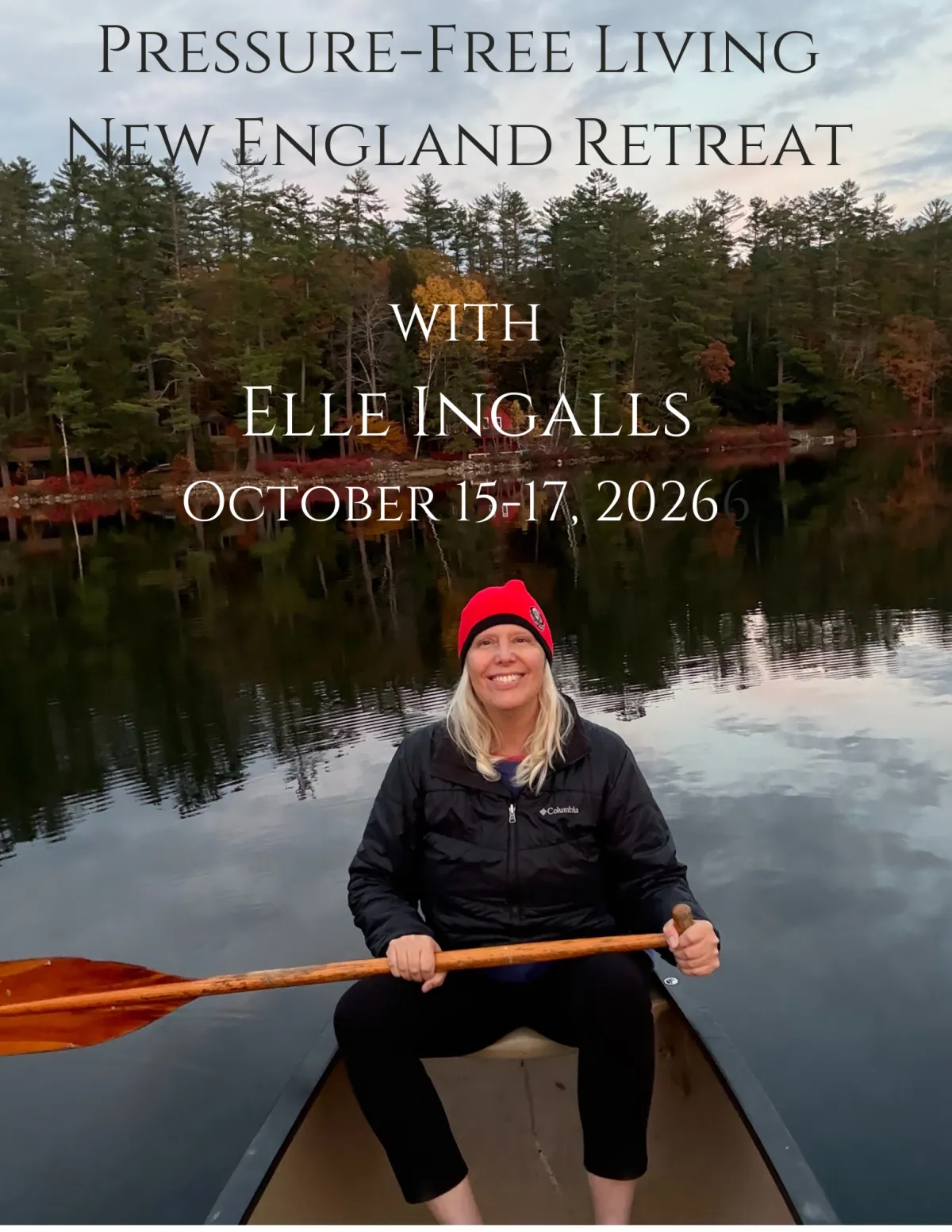
Just ONE Spot open for the October retreat are still open for my retreat! Click the photo below for more information. In this issue:
Making the Extra Effort
Tips to Quiet the Runaway Thoughts
New Pressure-Free Workbook
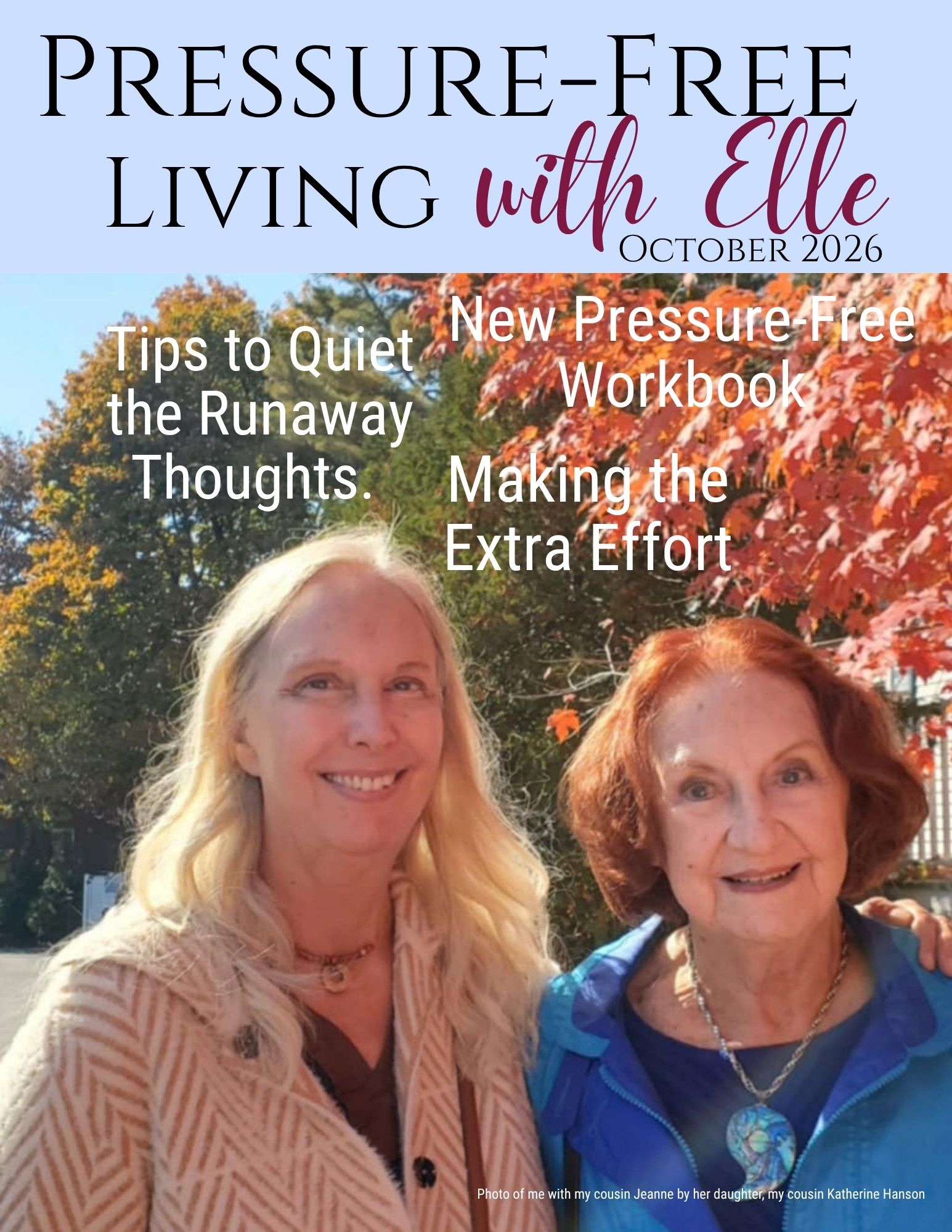
Making the Extra Effort
Three years ago, I noticed that my father’s cousin Jeanne, aged 91 at the time, had moved from Louisiana to live with her daughter Katherine and family in Ogunquit, Maine. So I reached out to see if, while on a trip from Michigan to New England, I could come over to the seacoast and pay a visit. Interesting turn of phrase — pay a visit. Driving a couple of extra hours, taking time, really connecting; are these the payments? And on the hosts side there is usually some food and drink, sometimes picking up the check if you eat out, their time, their willingness to connect.
I hadn’t seen Jeanne since I was 12 years old at her father’s funeral. Her parents spent their retirement years just down the road a couple of houses from my grandparents. But Jeanne spent most of her life in the South, so unlike her sister Betty who came to my wedding and to whom I would pay visits in northern New Hampshire, I didn’t see Jeanne for five decades.
Her father and my grandfather were Starrett brothers, so we were not blood related — my
grandfather Fred married my grandmother and adopted my father who was three-years-old when they met. We were family through marriage and love. And the moment I saw Jeanne, I was overcome with feelings — hugs, tears. She shared stories of my father in their youth that I’d never heard. Her hands got cold at lunch and I held them in mine. Honestly, I didn’t want to leave her.
I visited the next year, too, and saw her at Betty’s 100th birthday celebration. Her daughter Katherine devotedly cared for her until her last breath this past Spring. I would have flown to Louisiana for the funeral but was attending my mother’s brother’s service on the same day in New Hampshire.
I didn’t have to make the effort to see her while she was still living. I could have just glanced at their Facebook posts, hearted, and commented. But spending those hours together in person, laughing, holding hands, was priceless.

Tips to Quiet Runaway Thoughts
They can be sneaky. Little worries. Big worries. One would start chattering in my head and suddenly the flood gates open. It’s either hard to fall asleep or I’m wide awake in the middle of the night. And then I would worry about not getting enough sleep. This used to happen all the time to me. Now, it rarely does. Not because there aren’t plenty of things to worry about, but because I notice the pattern. I notice the very first thought that starts me down the path.
The thoughts for me and also for my clients tend to be around love/relationship, money/work, mental and/or physical health, for themselves, their businesses, or their family and friends who are experiencing difficulties.
This pattern of worries about love, money, and health can happen so frequently that it can be hard to notice when it starts, so here are some tips to start quieting those thoughts:
1. Notice what complaints or worries you make to yourself or others throughout the day, especially those that repeat. You can make a list for clarity. For example, “I’m so frustrated that my son is still struggling in math.” Or, “I’ve reached out to this client to pay her bill and she keeps putting me off.”
2. As you get ready for sleep, notice your thoughts. See if you can turn them to things for which you are grateful, things for which you feel confidence.
3. The moment a thought comes in that has some worrying or tense energy, relax your abs and think thoughts like, “I am safe. Things will be fine. I can get through this.” Or return to the gratitude and confidence thoughts.
4. If the thought involves someone else, relax your abs and assume that all will be well for them. Imagine sending them loving, healing thoughts.
5. If you are struggling to fall asleep, use the work rest instead of sleep. “I’ll get all the rest I need.” And with relaxed abs, see if you can radiate relaxation out from your center to all of your limbs and your head.
New Pressure-Free Workbook
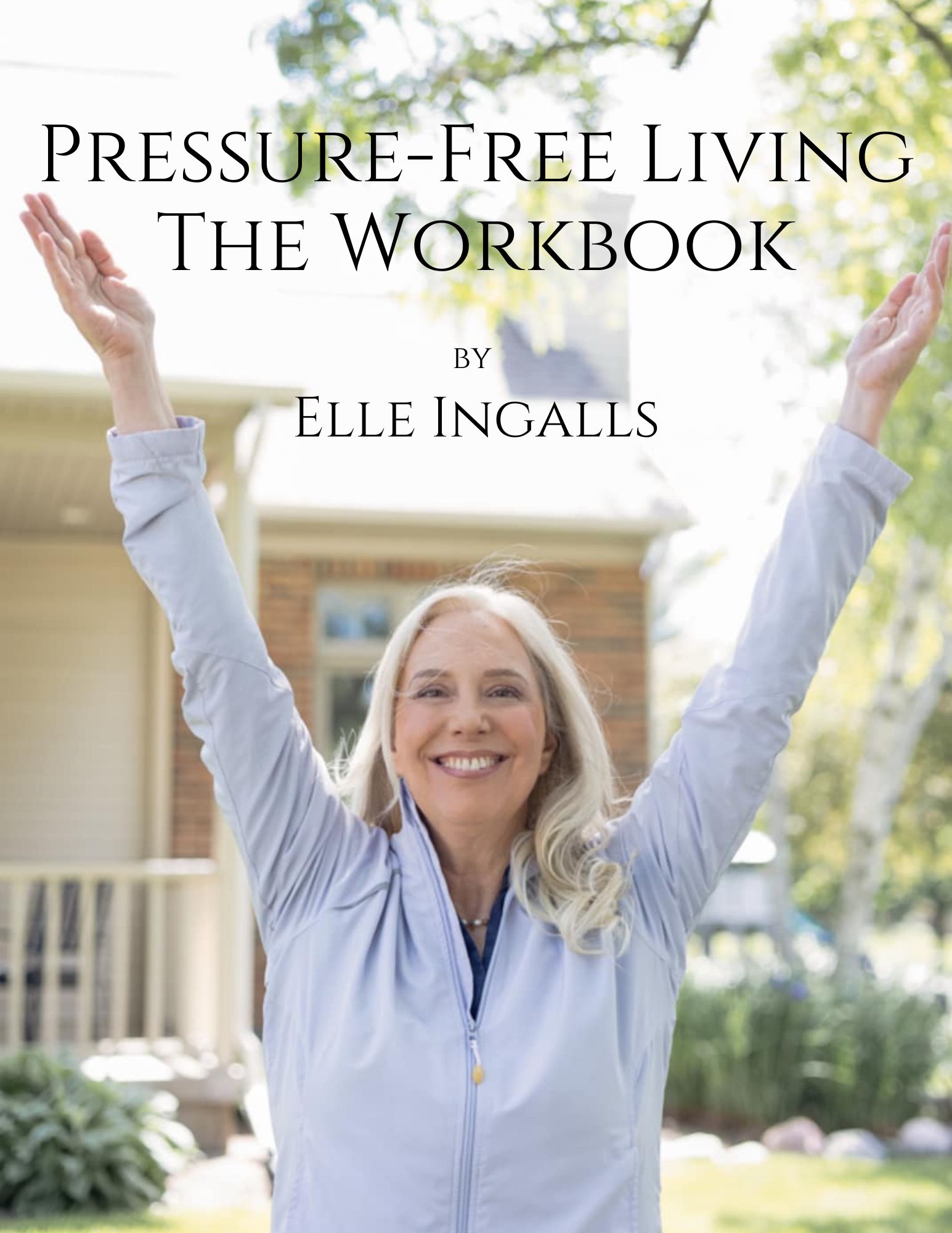
For the first time ever, I'm making my workbook for my online course and for my private coaching clients available to anyone!
This new 83-page edition with eight sessions (chapters) is available on Amazon for $19.99, and you can save $5 and instantly receive a downloadable PDF by clicking here. Or on the image above.
Plus share your address with me and I will mail you a physical copy for free!
This workbook covers the basics of The Pressure-Free Method and then goes in depth with dozens of tools to help prevent the stress response from releasing an over-abundance of stress hormones. It's a great way to get started. And if you ever have any questions, you can book a call anytime with me.
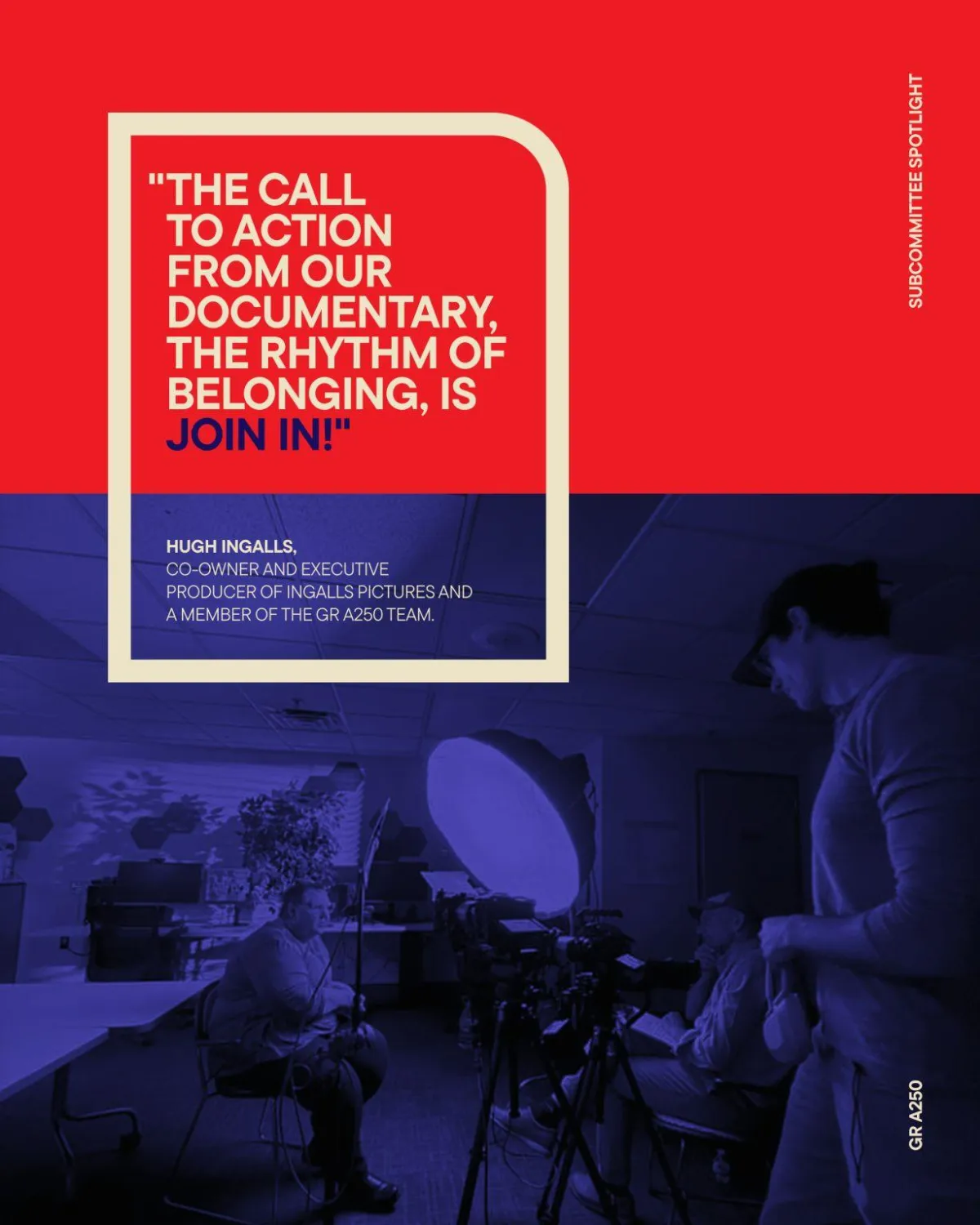
Ingalls Pictures Doc Showing Nov. 2
For many months, our sons and their team have been working on a documentary on the importance of community. Click on the graphic below for details:
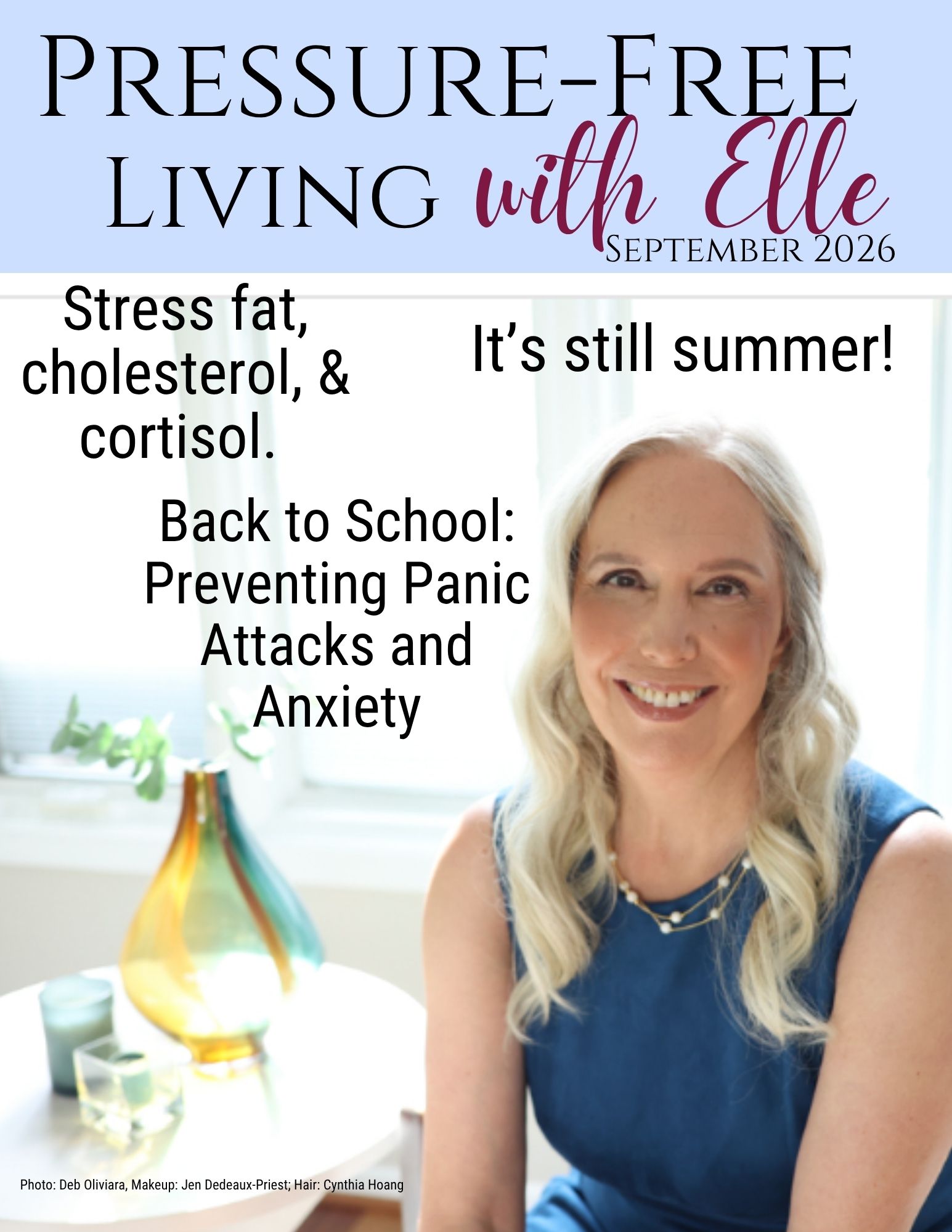
September 2026
3 Spots are still open for my retreat! Click the photo below for more information.
In this issue:
Back to School: Preventing Panic Attacks and Anxiety
Stress Fat, Cholesterol, and Cortisol
It's still summer!
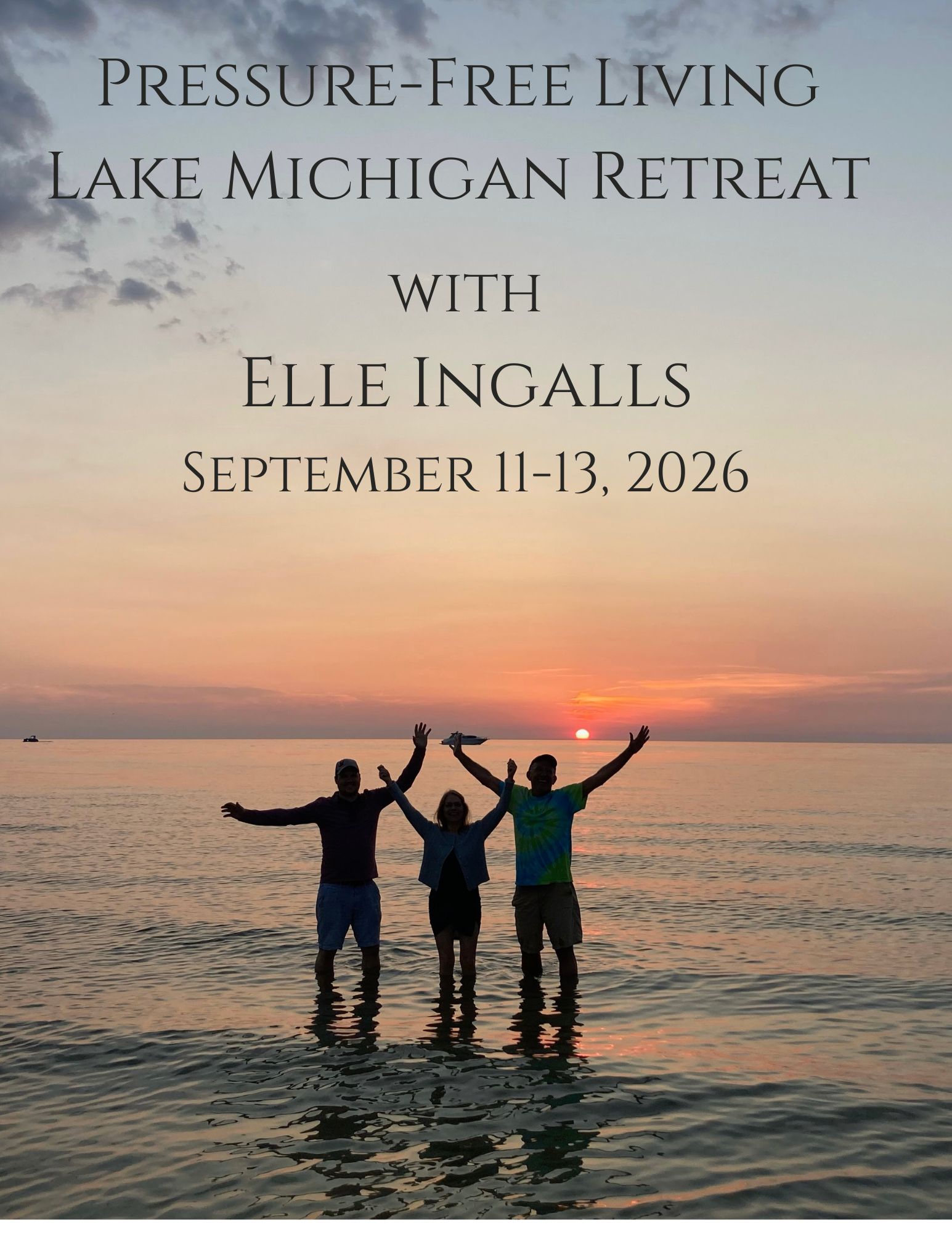
Back to School:
Preventing Panic Attacks and Anxiety
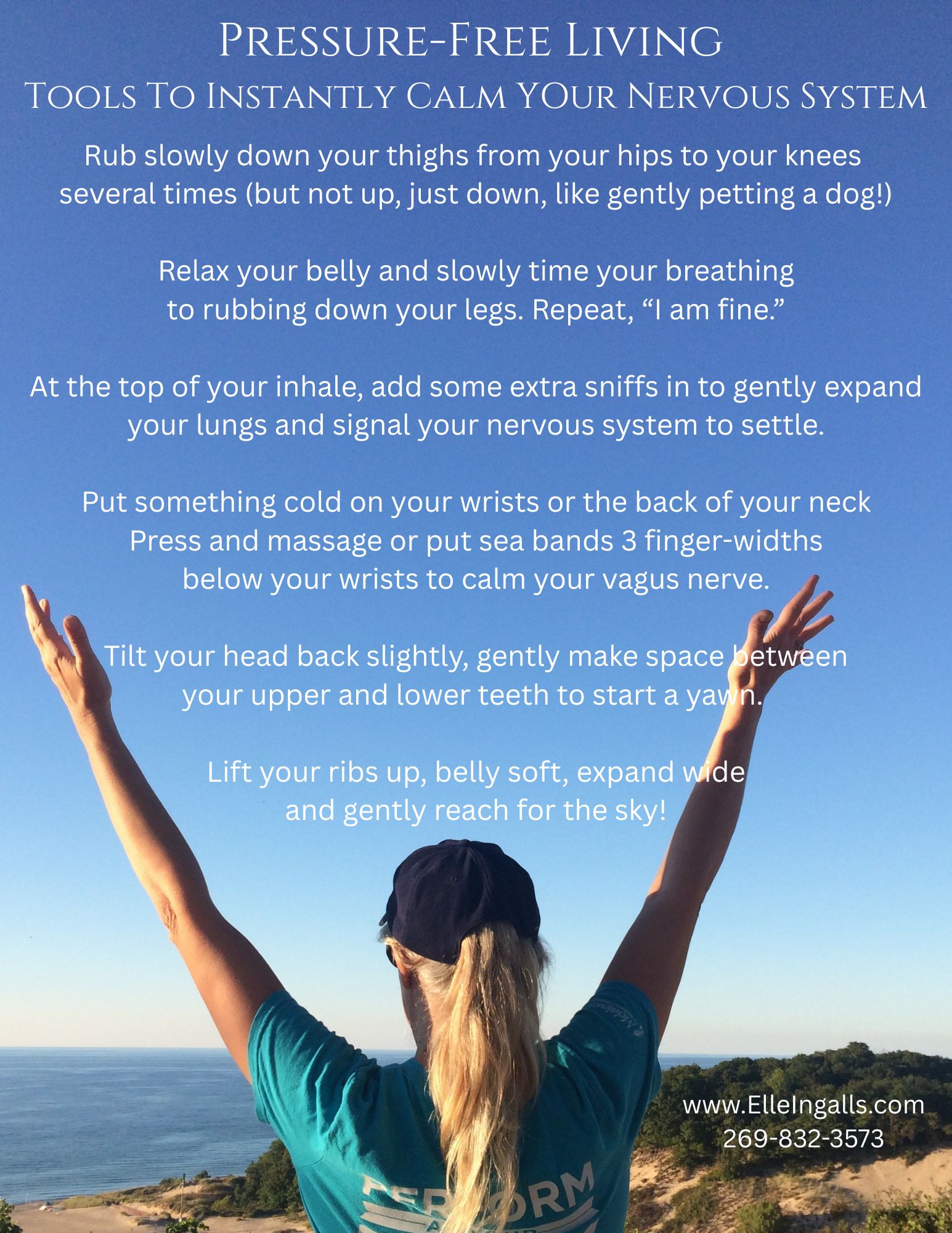
Over the years, I've helped students (and adults) overcome chronic anxiety and prevent or at least lessen the symptoms of panic attacks.
A couple of my student clients who have experienced anxiety and panic attacks have shared that their teachers, counselors, and coaches have been at a loss as to how to help them and their friends.
So I put together a poster that they carry with them with some suggestions that can help. There are many more ways to calm the nervous system that I customize for my clients, but these basic ones are a start and can truly help. The more a student practices uses them, the faster they interrupt the stress hormones that cause the unwanted symptoms.
I've also noticed that they can't always pinpoint the trigger. Which is why, regardless of the trigger, gaining control of the stress response can be so impactful. It's my wish that students get to shine with their unique gifts and talents, enjoy deep friendships, and experience healthy lives!
Stress Fat, Cholesterol, and Cortisol
"For me, it was like a detox. I've lost belly fat. I had pain from my lower back to my ankles and inflammation in my face. That was gone within ten days." This is what Mark experienced when we began working together.
Stress fat starts in our head and our adrenal glands. It starts when something causes us tension or any emotion that informs the brain to kick off the stress response. It's richly complex both in terms of the biology and in terms of how each one of us experiences it, but this is my basic understanding of why stress fat builds, having read dozens of research studies.
It's not just cortisol. The brain signals the adrenal glands to release cathelcholamine hormones -- adrenaline, noradrenaline, and dopamine -- that tell our extremities and our neurons to release fat and glucose into the blood stream so that we have energy to fight or run away. (Most of the time, we aren't even moving.)
Concurrently, there is a signal to the liver and fat cells to manufacture more cholesterol because it is needed to create cortisone and hydrocortisone (cortsol), the glucocorticoids that will be releasing later to help those cells affected by the catecholamines get back to homeostasis.
Fat distributes on our torso and at the top of our back for survival in case we can't get to food. And then when cortisol releases, the fat cells get bigger.
Once we can prevent the stress response, fat cells stop building and getting plumper and inflammation lowers throughout the body. It really can feel like a detox!
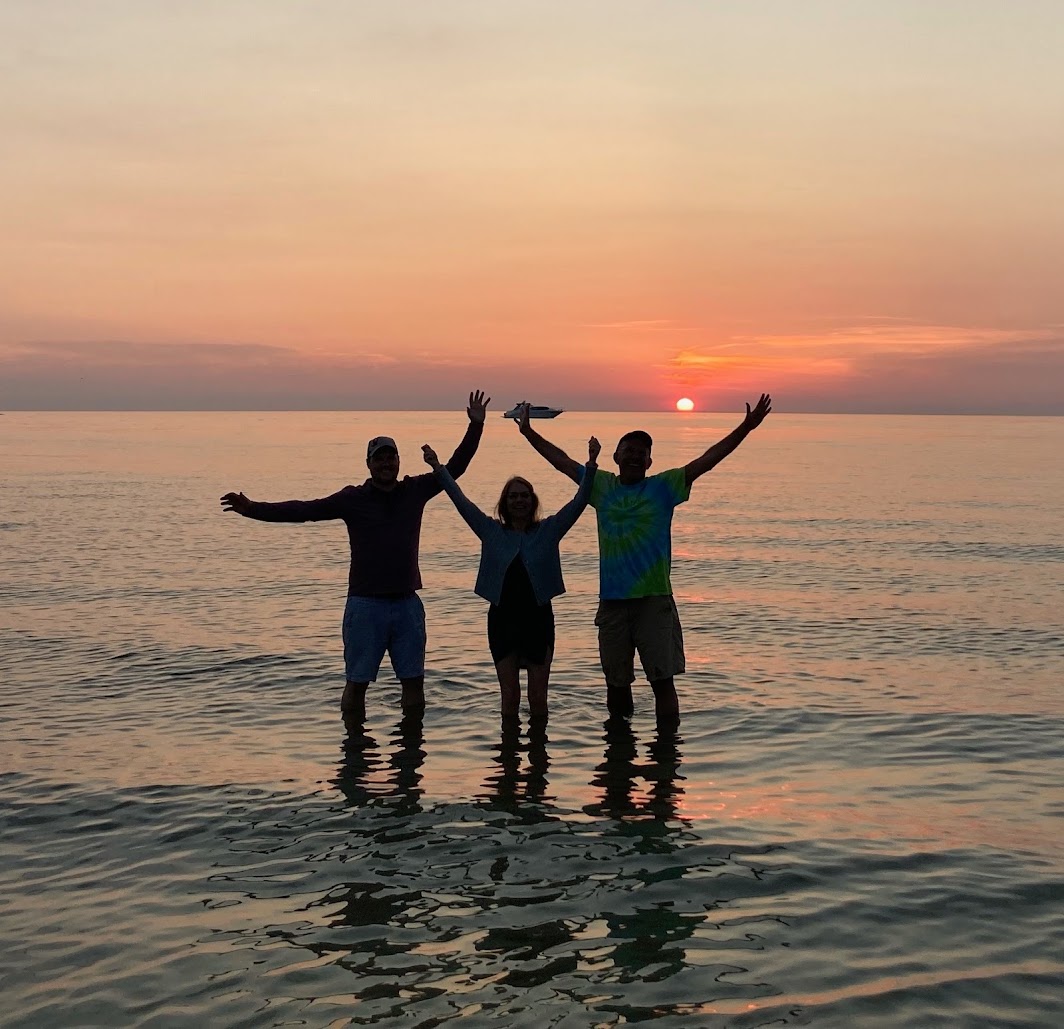
It's Still Summer
In mid-August, the sounds of the forest change here in Michigan, the birds are quieter -- they are molting -- and the insects like crickets and cicadas are louder. I've been wondering if it's this change in sound, coupled with Labor Day as a calendar event and the fact that students keep going back to school earlier and earlier that has us feeling that fall is here when we still have weeks of summer left.
This time of year can be filled with hurry-up stressors. Each year, I notice new ones. And as I look back over the decades, I see when I would get really stressed and other times when I would embrace the true length of summer.
Like the times when I would surprise my sons and pick them up from school with the car loaded for the state park right near Battle Creek. Kites, bathing suits, balls, frisbees. We'd have the whole place to ourselves most times.
This year is the first year since 2018 that I'm hosting my Michigan retreat in September instead of June -- our grandsons were born then! I'm curious to see if we have the whole beach to ourselves in Pentwater!
People talk a lot these days of wanting to live in the moment, be present. I feel as though embracing the season we are in can help us access that deeper sense of time expanding. And as I think about October and November, If only we could get everyone on board and wait until the week before holidays to start advertising!!
September is mostly summer. And with that in mind, what summer activities did you still want to get to? What will make these late summer weeks memorable?
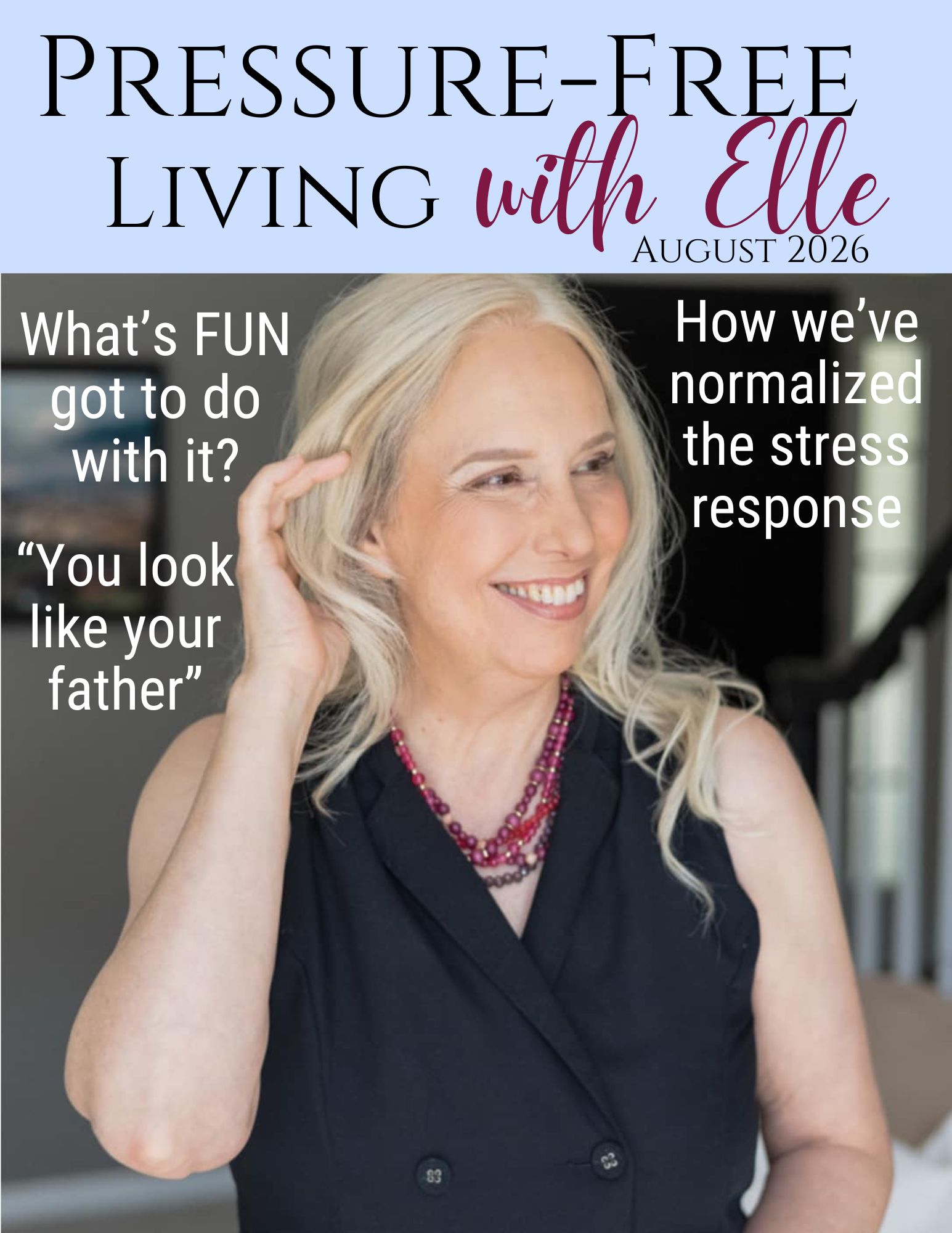
August 2026
3 Spots are still open for the September Pressure-Free Retreat in Pentwater, Michigan Click here to learn more.
My new website is up and I think I've got everything working well, but if you encounter something, I'd love for you to let me know! The "book a call" button brings up two calendars, a 1 hr meeting and a 30-minute connection call.
In this issue:
What's FUN got to do with it?
How we've normalized the stress response
"You look like your father"
How We've Normalized the Stress Response
A common paradigm that I know I experienced for years, and so did my parents, was work hard all day, then come home and you get to relax, reset for the next day. But what I see in actuality is that we can have our stressful work day and come home and experience just as many if not even more stressors ranging from caring for family, paying bills, home repairs, car issues, relationship issues, even loneliness. The result of this is a relentless release of stress hormones which cause all sorts of behaviors and health issues— my father suffered from heart issues and diabetes and passed away from his second heart attack— compounding the stressors we experience.
Societally, we’ve normalized the stress response. We’ll even say things like I have a normal amount of stress. The typical fixes that I mention in this video rarely get to a true solution. They are at best temporary. Because all of this is so prevalent, clients often come to me skeptical that anything can change.
They quickly come to understand that by gaining a deeper understanding of how the stress response with hormone releases is affecting them, they can begin to stop it. We are changing from the inside out — changing our biological processes that get to work so much better when are free of too much of these hormones.
It’s worth asking the question: What is our response to stress costing us? Money? Time? Health? Pain? Quality of life? I’ll never get back the hours I spent worrying about my dense breast tissue and trying to take care of my eczema which was so painful. To be free of pain and worry, to save money on remedies that never worked, to spend more time in productive thoughts and activities is, to me, miraculous.
Tips for Social Anxiety
A question I hear when people talk about our new grandchildren — identical twin boys — is, “Who do they look like?” Ever since I was a small girl, people would say, “You look like your father.” It was an identity I think I took on, not just in looks, but even in ways of being and professionalism.
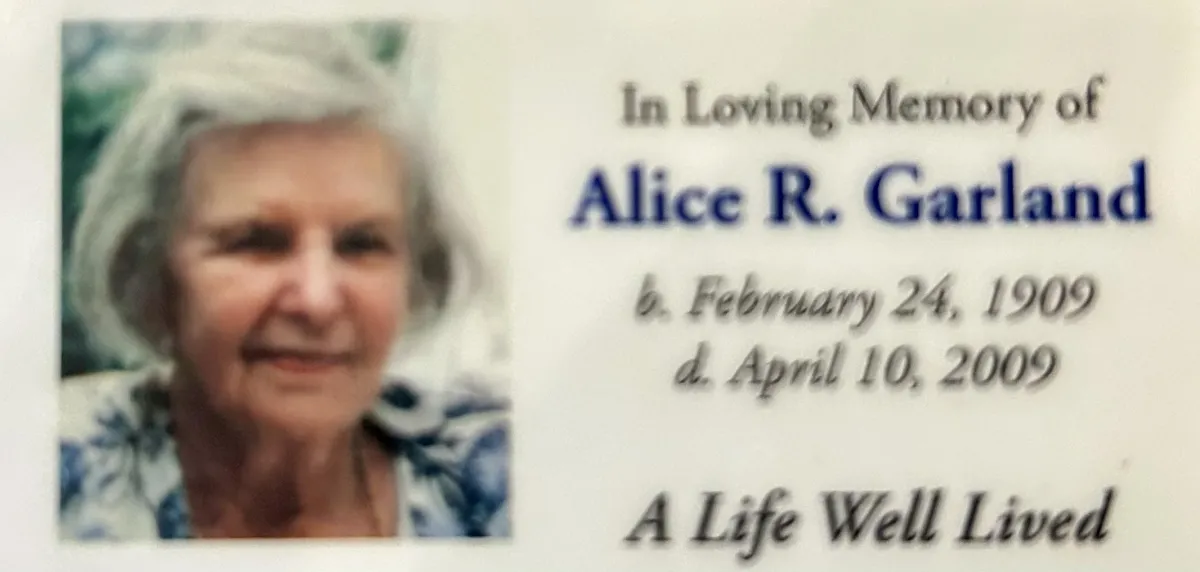
So it was quite a surprise, when I saw my cousin Tony Garland for the first time in twenty years, and he said, “You look just like Nana Garland,” my mother’s mother who lived to be 100.
My relationship with my grandmother was complicated. I knew she loved me, but we surely didn’t resonate with each other. I was always a little on edge when we’d visit her. Any time she cared for us, which was only a handful of times, I was quite rebellious, which I never was with my parents. When she was 93, we finally had what I would call a clearing conversation and I joked that I probably am more like her than either of us every thought.
Tony’s pronouncement really struck me and had me consider her life first in the cities of Boston and Manchester and her adult life in the mountains of New Hampshire. I realized how many aspects of her were, indeed, so much like me.
Our relationships with family members can certainly be full of stressors and unconscious patterns that haunt us. Asking ourselves what, in each relationship, is where we connect, where we learn from each other, can deepen the parts that work, and help us reduce some of the stressors and challenges.
What's FUN got to do with it?
“Are we having fun yet?” That’s something we say when we are expected to be having fun, but things might be going sideways. I remember being in this scenario and sarcastically thinking, “What’s FUN got to do with it?!”
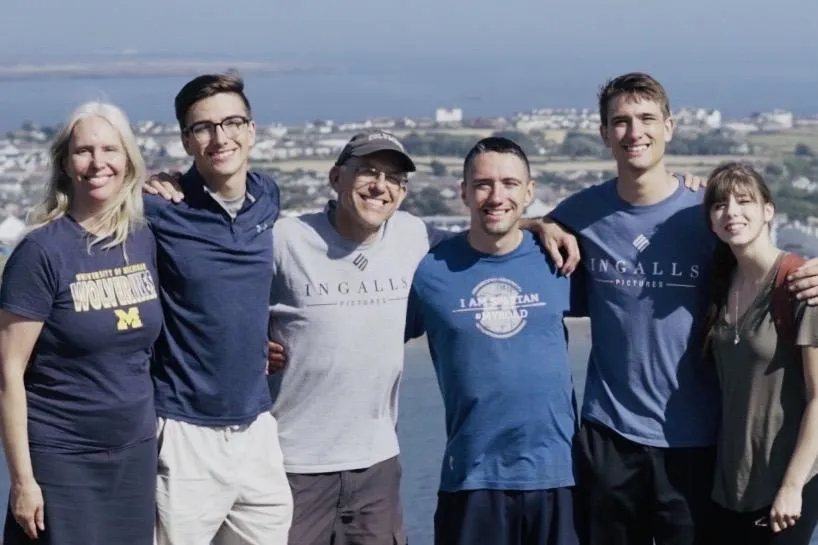
In 2018, we planned a family trip (in the photo: me, William, Pete, Hugh, Ned, Jacklyn) in celebration of our youngest son's high school graduation to Dublin, the Isle of Man, and London. We were having a great time, when we were about to board our flight from the Isle of Man to London -- bags already on the plane -- and received notice that because of fog the flight had to be canceled. There was no ferry to Dublin for a week and we needed to be back there to fly home.
So I booked the six of us on a ferry to Belfast and bus to Dublin. The pre-Pressure-Free me would have been sweating bullets, frantic with concern — those ferry tickets were expensive! But the Pressure-Free me booked everything and walked from the airport to Castletown for a fun dinner with a smile on my face. Everyone loved the ferry ride across the Irish Sea and we got to experience Belfast which wasn’t on our itinerary. Best of all, no one complained or was upset that we didn’t get to London (even me!)
This experience had me considering if “fun” is not so much a response to a stimulus, but a state of mind that we can actively enter into, even when the best-laid plans go sideways.
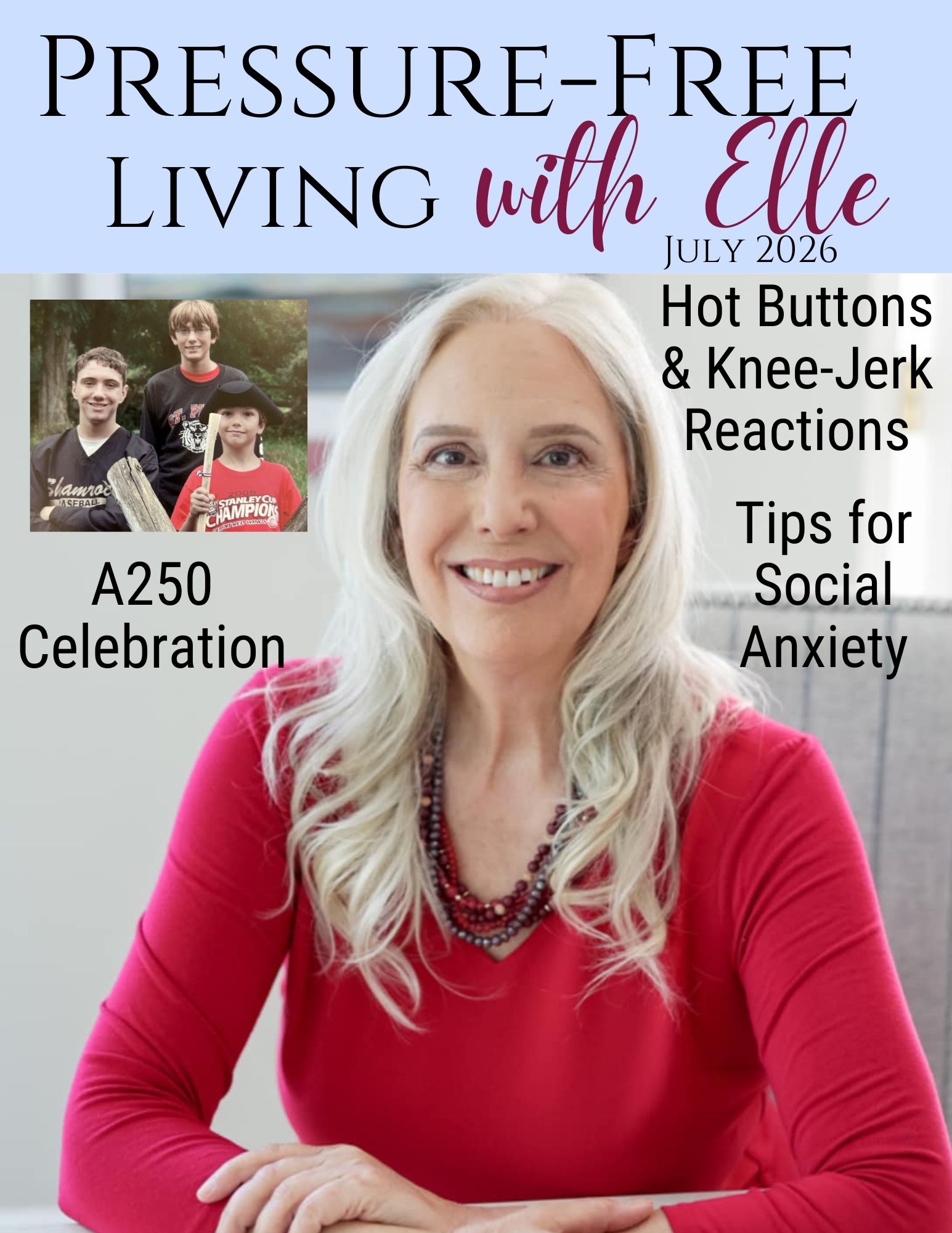
July 2026
4 Spots are still open for the September Pressure-Free Retreats in Pentwater, Michigan Click here to learn more. Thanks to Tyler and Dakota in Mississippi for having me on their Bourbon and Business Podcast. It on Apple, YouTube.
In this issue:
Celebrating A250 Independence, Freedom, Liberty, the Pursuit of Happiness.
Tips for Social Anxiety
Hot Buttons and Knee-Jerk Reactions
Hot Buttons and Knee-Jerk Reactions
I remember when I was small and my pediatrician grabbed the little hammer thing to “test my reflexes below my knee cap.” I would shut my eyes tightly to not watch her do it. And even if I tried not to move, my leg would anyway.
Knee-jerk reactions happen when we react without thinking, impulsively, automatically, like when we say or do something we often later regret.
These reactions tend to occur when someone or something touches a nerve either literally —like the nerve below the knee cap — or figuratively. The people
who know us well know how to “push our buttons.” It’s usually done in jest, but sometimes its done out of mean-spiritedness. Either way, it causes the stress response and that starts to create a pattern that happens every time.
Noticing our hot buttons can help us prevent this instant reaction and the stress response. It may take some time, because our reactions have become so subconscious. What causes an instant reaction? Certain subjects of conversation, tones of voice, bullying, blaming and shaming, accusations, attempts to scare us.
Identifying some of these can help us gain the presence of mind to start to do something like relax the belly or smile to prevent the stress response. I think of relaxing the belly right away because it tells our brain that we are safe if our abs are free of tension. We get to choose our response rather than instantly react.
Tips for Social Anxiety
When you look at the side effects of the stress response, they definitely play a huge role in whether or not you feel nervous in situations, whether or not you want to avoid situations. The side effects of the stress hormones match up with many of the symptoms of various mental conditions. Like not being able to remember someone’s name to whom you were just introduced.
Have you ever just felt a little nervous before an event or a lot nervous, depending on what it was? Maybe you had to give a speech or run a meeting. It could be a social event like a networking event, or a party, or a family reunion. We have July 4th coming up, and there are a lot of people who are going to be gathering.
When we go into a fight or flight, we shut down our cortex and hippocampus, which is why get a bit frantic. We can't find our wallet, our keys, we're losing things. We don't know what outfit to wear. We can't make decisions very well. Maybe you're even fighting about which car to take or to take an Uber because you might have too much to drink.
A quick tip is to ask a question that leads you to what you desire. Like, "How can we have a great time tonight? How can enjoy myself all evening?"
Sitting down and actually writing some of those words that describe how you want to feel, how you want to be can be powerful. Most of us don't ever take the time to put the stake in the ground and say, "I get to feel this while I'm at this party. I get to feel this while I'm in this meeting." So, attach a word or phrase to it. Give yourself a real description about how you want this to go. You get to have a great summer! Below is the video Ingalls Pictures created for the Grand Rapids A250 celebrations.
And here's Tyler, Dakota, and me on their Bourbon and Business Podcast:
Celebrating A250
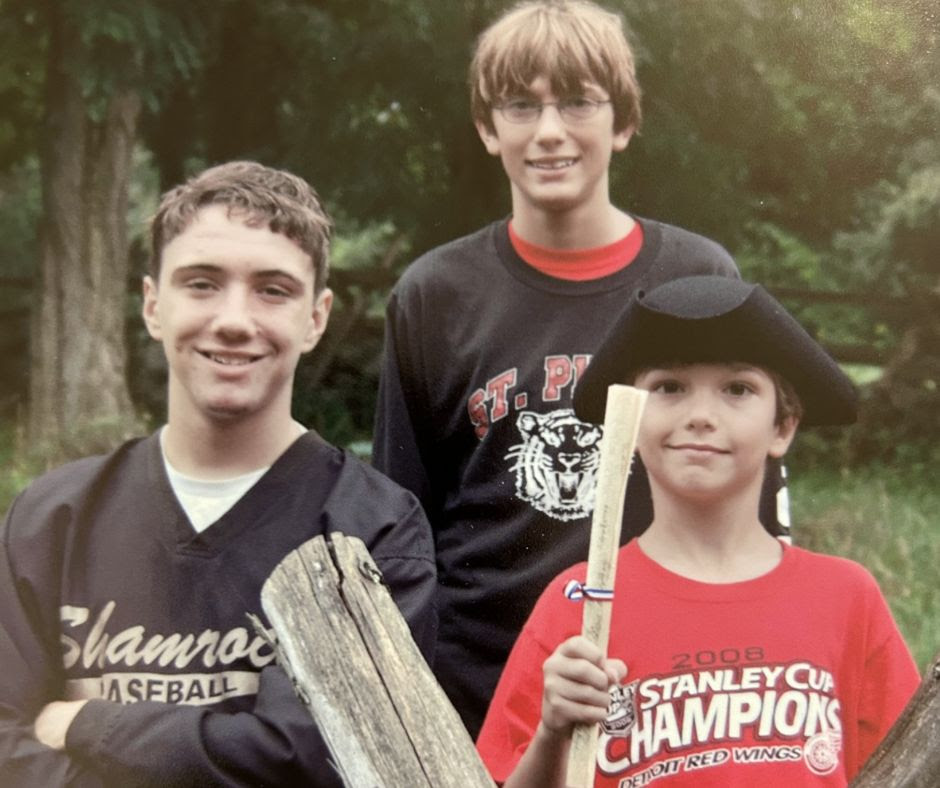
Back in 2007, our youngest son William was obsessed with the history of our country. And on a trip to the sites in Massachusetts, he carried a copy of the declaration of independence every where we went. I’ll never forget walking in Quincy and he caught the first glimpse of The Adams’ home — he leapt in the air and called out, “There it is!”
His knowledge — which exceeded the rest of the family’s — and his exuberance has inspired me to think deeply about independence, freedom, liberty, and the pursuit of happiness. In an essay by Jeffrey Rosen, CRO Emeritus of the National Constitution Center writes that “at its core, the Founders viewed the pursuit of happiness as a lifelong quest for character improvement, which requires a commitment to practicing the daily habits that lead to self-regulation, emotional intelligence, flourishing, and growth.” In my exploration, its become more and more clear that the one thing that prevents these four human experiences, hence limits the ability to pursue happiness, is the stress response.
Each year since 2010, as I continue to notice and interrupt my stress response, I experience each one of these far greater than before:
Self-regulation: Instead of wanting to fight, flee, freeze, fib, fawn, and fidget, or overreact, I am calmer, more confident, and courageous.
Emotional Intelligence: Instead of saying and doing things I later regret, I’m far more present with people, really seeing and hearing others.
Flourishing: Instead of suffering from chronic issues, and limiting what I do, I am healthier in so many ways and have the ability to take on new ideas.
Growth: Instead of living in fear that stress hormones are causing certain things to grow like bacteria and cancer cells, and other things to diminish or die like neurons and processes like digestion, reproduction, cardio-vascular, I get to embrace change and growth with confidence.
Every Fourth of July — actually nearly every day — I celebrate my independence from the relentless grip the stress response had on me the first 47 years of my life!


